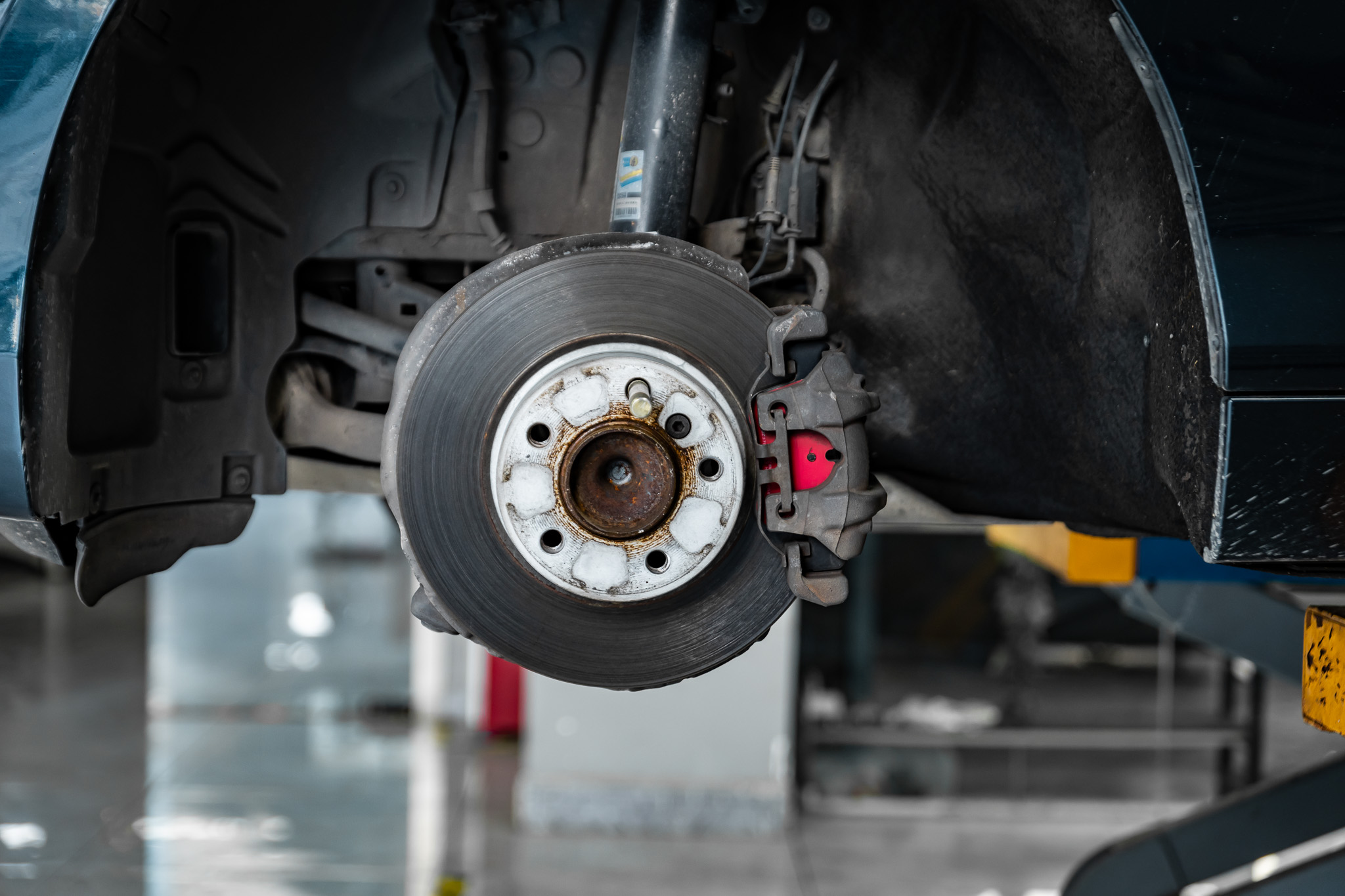
Wheel and Tire Pairing Guide: Enhancing Vehicle Performance

GUANGZHOU, GUANGDONG, CHINA, April 2, 2026 /EINPresswire.com/ -- Pairing the proper wheels and tires is essential for optimizing automobile performance, safety, and overall driving experience. This combination directly influences handling, ride comfort, fuel efficiency, braking performance, and even the visual appeal of a vehicle. Whether you are an automotive enthusiast seeking improved performance or a regular driver looking to replace worn components, understanding how to properly match wheels and tires will help you make informed decisions and achieve the best results.
1. Understanding the Basics
Before selecting a wheel and tire combination, it is important to understand the fundamental specifications that define compatibility and performance:
Wheel Size
Wheel size refers to the diameter and width of the wheel, typically measured in inches. The diameter affects the overall tire fit, while the width influences how the tire sits on the wheel and how it performs under different driving conditions.
Tire Size
Tire size is represented by a standardized code such as 225/45R17. This includes:
Tire width (225 mm)
Aspect ratio (45% of the width as sidewall height)
Rim diameter (17 inches)
These parameters determine how the tire interacts with the wheel and affects ride quality, grip, and performance.
Load Index and Speed Rating
The load index indicates the maximum weight a tire can support, while the speed rating specifies the maximum safe speed under optimal conditions. Choosing tires that meet or exceed your vehicle’s requirements is critical for safety and performance.
2. Performance Goals and Driving Needs
Your intended driving style and performance goals should guide your wheel and tire selection. Different setups offer different advantages:
Comfort and Fuel Efficiency
For drivers prioritizing comfort, smaller wheels with higher-profile tires are generally preferred. The taller sidewall absorbs road imperfections more effectively, resulting in a smoother ride. Additionally, these tires often have lower rolling resistance, which can contribute to improved fuel efficiency.
Sporty Handling and Performance
For enhanced handling and a more aggressive driving experience, larger wheels paired with low-profile tires are ideal. This configuration improves cornering stability, steering response, and road feedback. It is commonly used in performance vehicles where precision and grip are essential.
Off-Road Capability
For off-road or rugged terrain, durability and traction are key. All-terrain or mud-terrain tires combined with strong, impact-resistant wheels provide the necessary grip and resilience. These setups are designed to handle uneven surfaces, rocks, mud, and other challenging environments.
3. Compatibility and Proper Fitment
Ensuring compatibility between wheels and tires is one of the most critical aspects of pairing.
Plus Sizing
Plus sizing involves increasing the wheel diameter while reducing the tire sidewall height to maintain the overall diameter of the wheel-tire assembly. This approach enhances aesthetics and performance without affecting the speedometer calibration. However, it requires careful selection to maintain ride comfort and clearance.
Offset and Backspacing
Wheel offset determines how the wheel sits relative to the vehicle’s suspension and body. Proper offset ensures that the wheels align correctly within the wheel arches, preventing rubbing against suspension components or fenders. Backspacing is another measurement that helps ensure adequate clearance and proper fitment.
Bolt Pattern and Hub Size
Wheels must match the vehicle’s bolt pattern and hub diameter to ensure proper installation. Mismatched specifications can lead to unsafe driving conditions or installation difficulties.
4. Seasonal Considerations
Weather conditions play a significant role in selecting the right tires:
All-Season Tires
All-season tires are designed to perform reasonably well in a variety of conditions, including dry, wet, and light snow. They are a practical choice for drivers in regions with moderate climates.
Summer Tires
Summer tires provide optimal performance in warm conditions, offering superior grip, braking, and handling. However, they are not suitable for cold temperatures or icy roads.
Winter Tires
Winter tires are specifically designed for cold weather, snow, and ice. Their specialized rubber compounds remain flexible in low temperatures, and their tread patterns are optimized for traction in slippery conditions. Pairing them with appropriate wheels ensures safe winter driving.
5. The Importance of Alignment and Balancing
Even the best wheel and tire combination will not perform optimally without proper installation and maintenance.
Wheel Alignment
Alignment ensures that all wheels are positioned correctly relative to each other and the road. Proper alignment prevents uneven tire wear, improves handling, and enhances fuel efficiency.
Wheel Balancing
Balancing distributes weight evenly across the wheel and tire assembly. Imbalances can cause vibrations, uneven wear, and reduced driving comfort. Professional balancing is recommended after installation or tire replacement.
6. Material and Build Quality Considerations
The materials used in wheels and tires significantly affect performance and durability.
Wheel Materials
Common materials include steel and alloy:
Steel wheels are durable and cost-effective but heavier.
Alloy wheels are lighter, improve heat dissipation, and enhance vehicle performance and aesthetics.
Tire Construction
Modern tires are constructed with multiple layers, including belts, carcasses, and tread compounds. High-quality tires use advanced rubber compounds that improve grip, durability, and fuel efficiency.
7. Maintenance and Longevity
Proper maintenance is essential to maximize the lifespan and performance of your wheel and tire setup:
Regularly check tire pressure to ensure optimal performance and safety.
Rotate tires periodically to promote even wear.
Inspect tread depth to ensure adequate traction.
Monitor for signs of damage such as cracks, punctures, or uneven wear.
Clean wheels and tires to prevent corrosion and maintain appearance.
Consistent maintenance not only extends the life of your components but also ensures consistent performance over time.
8. When to Seek Professional Advice
In some cases, consulting with automotive professionals or specialists is highly recommended. This is especially important when:
Upgrading to non-standard wheel sizes
Modifying suspension systems
Selecting performance-oriented setups
Addressing fitment challenges
Experts can provide tailored recommendations based on your vehicle type, driving habits, and performance goals, ensuring safe and effective configurations.
Final Thoughts
Selecting and pairing the right wheels and tires is a critical aspect of vehicle optimization that affects nearly every aspect of driving. From comfort and fuel efficiency to handling and aesthetics, the correct combination can significantly enhance your overall driving experience. By understanding key factors such as sizing, load ratings, compatibility, seasonal needs, and maintenance requirements, drivers can make informed decisions that align with their specific needs.
A well-matched wheel and tire setup not only improves performance but also contributes to safety, stability, and long-term reliability. Whether you are upgrading for performance, replacing worn components, or preparing for seasonal conditions, careful selection and proper installation are essential for achieving the best results.
For more information and professional automotive solutions, please visit: https://www.icooh-r.com/
1. Understanding the Basics
Before selecting a wheel and tire combination, it is important to understand the fundamental specifications that define compatibility and performance:
Wheel Size
Wheel size refers to the diameter and width of the wheel, typically measured in inches. The diameter affects the overall tire fit, while the width influences how the tire sits on the wheel and how it performs under different driving conditions.
Tire Size
Tire size is represented by a standardized code such as 225/45R17. This includes:
Tire width (225 mm)
Aspect ratio (45% of the width as sidewall height)
Rim diameter (17 inches)
These parameters determine how the tire interacts with the wheel and affects ride quality, grip, and performance.
Load Index and Speed Rating
The load index indicates the maximum weight a tire can support, while the speed rating specifies the maximum safe speed under optimal conditions. Choosing tires that meet or exceed your vehicle’s requirements is critical for safety and performance.
2. Performance Goals and Driving Needs
Your intended driving style and performance goals should guide your wheel and tire selection. Different setups offer different advantages:
Comfort and Fuel Efficiency
For drivers prioritizing comfort, smaller wheels with higher-profile tires are generally preferred. The taller sidewall absorbs road imperfections more effectively, resulting in a smoother ride. Additionally, these tires often have lower rolling resistance, which can contribute to improved fuel efficiency.
Sporty Handling and Performance
For enhanced handling and a more aggressive driving experience, larger wheels paired with low-profile tires are ideal. This configuration improves cornering stability, steering response, and road feedback. It is commonly used in performance vehicles where precision and grip are essential.
Off-Road Capability
For off-road or rugged terrain, durability and traction are key. All-terrain or mud-terrain tires combined with strong, impact-resistant wheels provide the necessary grip and resilience. These setups are designed to handle uneven surfaces, rocks, mud, and other challenging environments.
3. Compatibility and Proper Fitment
Ensuring compatibility between wheels and tires is one of the most critical aspects of pairing.
Plus Sizing
Plus sizing involves increasing the wheel diameter while reducing the tire sidewall height to maintain the overall diameter of the wheel-tire assembly. This approach enhances aesthetics and performance without affecting the speedometer calibration. However, it requires careful selection to maintain ride comfort and clearance.
Offset and Backspacing
Wheel offset determines how the wheel sits relative to the vehicle’s suspension and body. Proper offset ensures that the wheels align correctly within the wheel arches, preventing rubbing against suspension components or fenders. Backspacing is another measurement that helps ensure adequate clearance and proper fitment.
Bolt Pattern and Hub Size
Wheels must match the vehicle’s bolt pattern and hub diameter to ensure proper installation. Mismatched specifications can lead to unsafe driving conditions or installation difficulties.
4. Seasonal Considerations
Weather conditions play a significant role in selecting the right tires:
All-Season Tires
All-season tires are designed to perform reasonably well in a variety of conditions, including dry, wet, and light snow. They are a practical choice for drivers in regions with moderate climates.
Summer Tires
Summer tires provide optimal performance in warm conditions, offering superior grip, braking, and handling. However, they are not suitable for cold temperatures or icy roads.
Winter Tires
Winter tires are specifically designed for cold weather, snow, and ice. Their specialized rubber compounds remain flexible in low temperatures, and their tread patterns are optimized for traction in slippery conditions. Pairing them with appropriate wheels ensures safe winter driving.
5. The Importance of Alignment and Balancing
Even the best wheel and tire combination will not perform optimally without proper installation and maintenance.
Wheel Alignment
Alignment ensures that all wheels are positioned correctly relative to each other and the road. Proper alignment prevents uneven tire wear, improves handling, and enhances fuel efficiency.
Wheel Balancing
Balancing distributes weight evenly across the wheel and tire assembly. Imbalances can cause vibrations, uneven wear, and reduced driving comfort. Professional balancing is recommended after installation or tire replacement.
6. Material and Build Quality Considerations
The materials used in wheels and tires significantly affect performance and durability.
Wheel Materials
Common materials include steel and alloy:
Steel wheels are durable and cost-effective but heavier.
Alloy wheels are lighter, improve heat dissipation, and enhance vehicle performance and aesthetics.
Tire Construction
Modern tires are constructed with multiple layers, including belts, carcasses, and tread compounds. High-quality tires use advanced rubber compounds that improve grip, durability, and fuel efficiency.
7. Maintenance and Longevity
Proper maintenance is essential to maximize the lifespan and performance of your wheel and tire setup:
Regularly check tire pressure to ensure optimal performance and safety.
Rotate tires periodically to promote even wear.
Inspect tread depth to ensure adequate traction.
Monitor for signs of damage such as cracks, punctures, or uneven wear.
Clean wheels and tires to prevent corrosion and maintain appearance.
Consistent maintenance not only extends the life of your components but also ensures consistent performance over time.
8. When to Seek Professional Advice
In some cases, consulting with automotive professionals or specialists is highly recommended. This is especially important when:
Upgrading to non-standard wheel sizes
Modifying suspension systems
Selecting performance-oriented setups
Addressing fitment challenges
Experts can provide tailored recommendations based on your vehicle type, driving habits, and performance goals, ensuring safe and effective configurations.
Final Thoughts
Selecting and pairing the right wheels and tires is a critical aspect of vehicle optimization that affects nearly every aspect of driving. From comfort and fuel efficiency to handling and aesthetics, the correct combination can significantly enhance your overall driving experience. By understanding key factors such as sizing, load ratings, compatibility, seasonal needs, and maintenance requirements, drivers can make informed decisions that align with their specific needs.
A well-matched wheel and tire setup not only improves performance but also contributes to safety, stability, and long-term reliability. Whether you are upgrading for performance, replacing worn components, or preparing for seasonal conditions, careful selection and proper installation are essential for achieving the best results.
For more information and professional automotive solutions, please visit: https://www.icooh-r.com/
ICOOH
ICOOH
+ +86 13632295250
info@icooh.com
Legal Disclaimer:
EIN Presswire provides this news content "as is" without warranty of any kind. We do not accept any responsibility or liability for the accuracy, content, images, videos, licenses, completeness, legality, or reliability of the information contained in this article. If you have any complaints or copyright issues related to this article, kindly contact the author above.